0800 043 6728 Get A Free Survey

Call us directly

Monday to Friday from 8am to 5pm

0800 043 6728 Call Now

Request a callback

One of our representatives will reach out to you

    Send us your enquiry

    Our professionals will get back to you

      0800 043 6728 Request a Callback Callback

      Fire Extinguisher Servicing: Why Annual Checks Could Save You Thousands
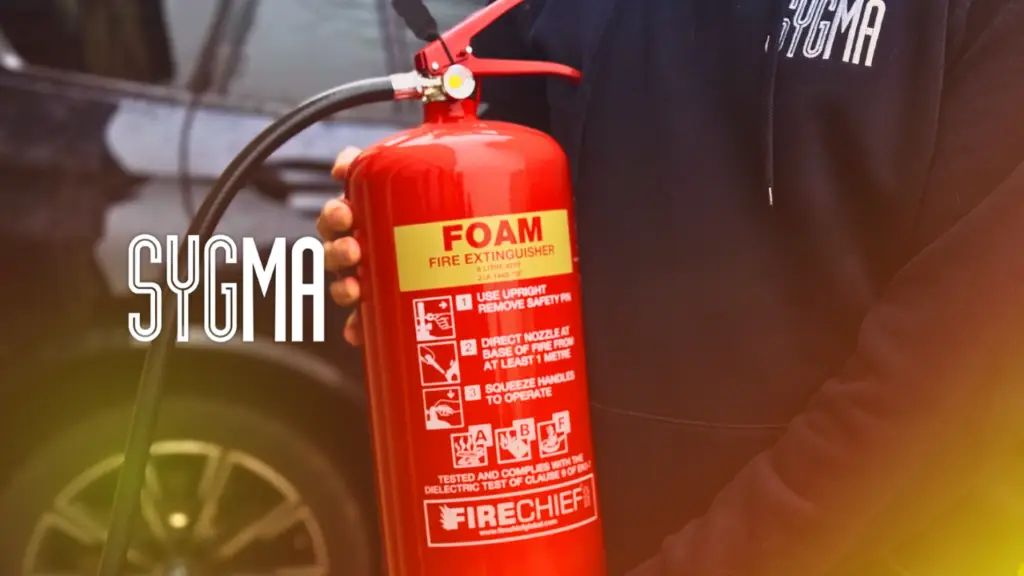
      For UK businesses, fire extinguishers aren’t just a legal requirement, they’re a vital safety measure that can prevent serious loss. Regular servicing isn’t optional. Annual checks can save you money, protect your staff and ensure you stay compliant.


      Legal Obligations

      Under the Regulatory Reform (Fire Safety) Order 2005, all business premises must have suitable fire-fighting equipment. This includes ensuring extinguishers are maintained and fully operational. Failing to service your extinguishers can result in enforcement notices or fines.

      Insurance Requirements

      Most commercial insurance policies also insist on regular fire extinguisher maintenance. If a fire occurs and your extinguishers haven’t been serviced, insurers may reduce or refuse claims. In practice, this could cost your business thousands.

      What Annual Servicing Involves

      A professional fire extinguisher service includes:

      • Visual inspection for damage or corrosion
      • Checking pressure gauges and seals
      • Replacing or refilling extinguishing agents if required
      • Recording maintenance in a logbook

      For official service standards, refer to the BS 5306-3:2017 Fire Extinguisher Code of Practice.

      Extra Benefits
      • Reduces the risk of equipment failure during an emergency
      • Helps staff feel safer and trained to act
      • Keeps your business compliant with Health & Safety regulations

      Final Thoughts

      Skipping annual fire extinguisher servicing might seem like a minor cost saving, but the risks are significant. Legal fines, insurance disputes and potential property damage could cost far more than a professional service.

      At Sygma Fire, Security & Electrical, we provide comprehensive fire extinguisher servicing across the UK. Helping businesses stay safe, compliant and protected.

      Contact us today for a free quote

      Electrical Compliance in 2026: What UK Businesses Need to Know
      Electrical compliance is no longer just a box-ticking exercise. As we move through 2026, businesses across the UK face increasing responsibility to ensure their electrical systems are safe, compliant and fit for purpose. Failure to do so can lead to serious safety risks, legal exposure and costly disruption.

      So how can you be confident your building meets today’s electrical compliance standards?


      Why Electrical Compliance Matters More Than Ever

      Electrical systems naturally degrade over time. Changes in building use, increased power demand and historic modifications can all introduce hidden risks.

      Non-compliant electrical installations can result in:

      • Increased risk of fire and electrical shock
      • Business interruption due to unexpected failures
      • Invalidated insurance policies
      • Enforcement action from regulatory authorities
      • Legal liability for duty holders and landlords

      Electrical compliance is not optional; it is a legal requirement.

      Your Legal Responsibilities as a Business

      Under the Electricity at Work Regulations 1989, employers, landlords and duty holders must ensure that electrical systems are:

      • Safe to use
      • Properly maintained
      • Regularly inspected and tested

      This applies to all commercial environments, including offices, retail premises, industrial units, healthcare settings and multi-occupancy buildings.

      The Role of Electrical Inspection Condition Reports (EICRs)

      An Electrical Installation Condition Report (EICR) is the primary way businesses demonstrate compliance.

      An EICR:

      • Assesses the condition of fixed electrical installations
      • Identifies deterioration, damage or non-compliance
      • Highlights safety issues using recognised coding
      • Provides clear recommendations for remedial works

      For most commercial premises, EICRs are recommended every 5 years, or sooner depending on the environment and usage.

      Common Electrical Compliance Issues We See

      During inspections, Sygma engineers frequently identify:

      • Outdated or overloaded distribution boards
      • Inadequate earthing and bonding
      • Non-compliant alterations carried out over time
      • Lack of supporting documentation or test records
      • Emergency lighting and critical circuits not properly maintained

      Many of these issues are not visible day-to-day but can post serious risks if left unaddressed.

      Emergency Lighting & Electrical Compliance

      Emergency lighting is a key part of your electrical and fire safety strategy. Systems must be:

      • Correctly designed and installed
      • Regularly tested and maintained
      • Fully operations during power failure

      Non-functioning or poorly maintained emergency lighting is one of the most common compliance failures identified during inspections.

      Why a Proactive Approach Makes Sense

      Waiting for a failure or enforcement notice is rarely cost-effective. A planned, proactive approach to electrical compliance offers:

      • Reduced risk to people and property
      • Predictable maintenance costs
      • Fewer unexpected outages
      • Clear compliance records for audits and insurers
      • Peace of mind for duty holders

      How Sygma Supports Electrical Compliance

      Sygma Fire, Security & Electrical provides a complete electrical compliance service for commercial clients across the UK, including:

      • Professional EICRs
      • Electrical remedial works
      • Emergency lighting installation and testing
      • Planned preventative maintenance
      • Expert advice aligned with current UK standards

      Our qualified engineers work with minimal disruption and provide clear, actionable reporting to keep your business compliant and protected.

      The Bottom Line

      If you’re unsure when your electrical systems were last inspected, or whether they meet current standards, now is the time to act.

      Contact Sygma today to arrange an electrical compliance review or EICR and ensure your building is safe, compliant and future-ready.

      How Often Should Your Fire Alarm Be Serviced in 2026?

      Maintaining your commercial fire alarm isn’t optional. It’s a legal and insurance requirement. Under BS 5839-1:2025, the servicing frequency and scope for commercial fire alarm systems have been clarified for 2026. This is the schedule you need to follow to protect your people, property and assets.


      What BS 5839-1:2025 Says About Fire Alarm Servicing

      Since April 2025, BS 5839-1:2025 has been the authoritative British Standard for commercial fire alarms in the UK. It covers design, installation, commissioning and importantly for ongoing safety, inspection and servicing intervals. This matters because your “responsible person” must ensure your system meets these recommendations as part of compliance with the Regulatory Reform (Fire Safety) Order.

      The key servicing requirement isn’t radically different from previous editions. What has changed is clearer flexibility on timing and tighter expectations on what a service visit covers.

      The 2026 Fire Alarm Servicing Schedule

      Professional Servicing Visits (Minimum):

      Your fire alarm system must be inspected and serviced by a competent person at least twice a year. The baseline target remains every six months.

      Weekly User Tests:

      The designated responsible person on site should test one call point each week and check the panel for faults. These basic checks are a cornerstone of good fire safety practice and ensure small issues don’t go unnoticed between professional visits.

      That’s the minimum: many insurers and fire safety risk assessments will recommend or require more frequent checks in higher-risk environments such as warehouses, care homes, hospitals, schools or industrial facilities. Additional quarterly servicing isn’t mandated by BS 5839-1:2025 itself, but it is a recognised best practice where risk or complexity justifies it.

      What a Service Visit Must Include (2026 Expectations)

      Under the 2025 standard, every service visit isn’t just a quick look at the panel. Your service provider should:

      • Check and correct the fire alarm control panel’s clock to ensure accurate event logs.
      • Verify zone charts against actual device locations so responders aren’t misled in an emergency.
      • Remove redundant devices and wiring that have been decommissioned, rather than just isolating them.
      • Ensure Interfaces (e.g. door releases, lift controls) are accessible and working, not blocked or concealed.
      • Update the fire alarm logbook with all changes, tests, faults and any deviations from the standard.
      • Be carried out by a technician with up-to-date continuing professional development (CPD).

      This depth of inspection helps defend against faults, reduces false alarms and strengthens your position with insurers if you ever need to claim after an incident.

      Why This Matters for Compliance and Insurance

      Failing to keep to these minimum intervals and service standards won’t just leave your system vulnerable. It can also mean:

      • Non-compliance with UK fire safety law if you can’t demonstrate adequate maintenance under the Regulatory Reform (Fire Safety) Order.
      • Insurance disputes or declined claims because your documentation doesn’t prove your fire alarm as maintained in line with BS standards.
      • Increased enforcement action from fire and rescue authorities during audits or inspections.

      Most commercial insurers specifically ask for evidence that fire alarm systems have been inspected and serviced at the required frequency. Detailed reports from qualified engineers are the best proof you can provide.

      Practical Tips for 2026 Fire Alarm Servicing
      1. Set up a Planned Preventative Maintenance (PPM) Schedule with your provider to lock in service dates well ahead of time.
      2. Keep all logbooks and certificates digitally backed up as well as on site.
      3. Align your fire alarm servicing with other scheduled safety checks like emergency lighting and extinguisher maintenance for efficiency.
      4. If you manage multiple sites, use a central calendar or COP tracker to avoid missed services.

      The Bottom Line

      For most UK businesses in 2026:

      • Professional fire alarm servicing must happen at least twice a year.
      • Weekly user tests are your day-to-day check to catch early issues.
      • Often, higher-risk or larger sites will benefit from more frequent servicing.

      Staying disciplined with this schedule keeps your people safer, strengthens your compliance position, and protects insurance arrangements when it matters most.

      Need Support?

      Sygma Fire, Security & Electrical provides design, installation, monitoring and maintenance for commercial fire alarm systems across the UK. If your fire alarm is due a service, requires remedial works, or you want to ensure compliance with BS 5839-1:2025, the team can deliver fully compliant inspection and servicing.

      Speak to our Fire Safety Team today

      Call:
      0800 043 6728

      Email:
      info@sygma.co.uk

      Or request a free site survey via our website.

      How Often Should Commercial Intruder Alarms Be Serviced?

      A reliable intruder alarm isn’t optional for any business that cares about protecting its premises, staff and assets. But even the best system won’t perform properly without regular servicing. UK standards and insurer expectations both make routine maintenance essential, not just a polite suggestion.


      Recommended Service Frequency

      Most commercial intruder alarm systems should be serviced at least once a year, but many sites require twice-yearly maintenance depending on risk, system complexity and insurance terms.

      This guidance follows industry standards including BS EN 50131, PD 6662, and expectations set by certification bodies such as the SSAIB.

      • Low to medium risk sites: 1 service visit per year
      • High risk or high-value sites: 2 service visits per year
      • Systems with police response (URNs): Insurers often expect 2 visits per year to maintain compliance

      Why Servicing Matters

      Regular intruder alarm maintenance helps ensure:

      • Detectors maintain correct sensitivity
      • Backup batteries still hold capacity
      • Signalling paths (IP, GSM or dual-path) meet performance levels
      • Time, date, logs and user codes are correct
      • Faults are identified before they cause failures
      • The system continues to meet British Standards and insurer requirements

      A poorly maintained intruder alarm can invalidate insurance claims. Many insurers explicitly state that systems must be installed and maintained in accordance with PD 6662 and relevant British Standards.

      How Often Should You Test the System Yourself?

      Alongside professional servicing, staff should carry out weekly or monthly user tests, depending on the site. This often includes:

      • Testing the alarm’s ability to arm and disarm
      • Checking entry/exit routes
      • Making sure users know how to operate the system
      • Noting and reporting any obvious faults

      When Should You Upgrade Instead of Servicing?

      Servicing helps you keep a system running, but it won’t fix outdated tech. You should consider upgrading if:

      • The system is over 10 years old
      • You still rely on old PSTN telephone signalling (being phased out)
      • The business has expanded and added new security risks
      • The system generates regular false alarms
      • Insurers request updates to maintain policy validity

      Need Support?

      Sygma Fire, Security & Electrical provides installation, monitoring and maintenance for commercial intruder alarm systems across the UK. If your intruder alarm is due a service or you want help bringing an older system back up to standard, the team can carry out compliant servicing aligned with BS EN 50131 and PD 6662.

      Speak to our Security Team today

      Call:
      0800 043 6728

      Email:
      info@sygma.co.uk

      Or request a free site survey via our website.

      Access Control vs Key Management: Which Protects Your Site Better?

      Access Control vs Key Management: Which Protects Your Premises Better?

      Protecting your premises is no longer as simple as handing out keys and hoping for the best. As threats evolve and businesses become more complex, traditional locks often struggle to keep up. The question many UK organisations now face is whether to stick with physical keys or upgrade to an access control system.

      This guide breaks down both approaches so you can make the right decision for your site, people and assets.


      Where Traditional Key Management Falls Short

      Keys have served workplaces for generations. Yet they come with drawbacks that increase risk over time:

      • Keys are easily lost, stolen or copied
      • No way to track who entered and when
      • Re-keying and replacing locks is disruptive and expensive
      • Difficult to manage across multi-site operations
      • Poor access control when staff, contractors or tenants frequently change

      In short, once a key leaves your control, so does your security.

      Why Access Control Is Becoming the Standard

      Access control systems use cards, fobs, PINs or biometrics to grant entry. Permissions are managed digitally, offering far greater protection and flexibility.

      Key benefits include:

      Instant Access Management

      Add, remove or adjust user access in seconds without changing hardware.

      Audit trails for accountability

      Full event logs show who entered, which door and when. Ideal for investigations, insurance and compliance.

      Integration with wider security

      Access control links with CCTV, intruder alarms and Fire & Life Safety systems for stronger incident response.

      Improved safety and operational efficiency

      Secure zoning supports visitor management, timed access, emergency lockdown functions and safer building flows.

      Cost predictability

      There is an upfront investment, but long-term savings are achieved by reducing the cost of lost keys, lock changes and security breaches.

      For most modern businesses, access control is not a luxury. It is a smarter way to protect people and property.

      When Key Management Still Has a Place

      Traditional keys can be suitable for:

      • Low-risk, single-door sites
      • Restricted locations with minimal staff changes
      • Temporary or ultra-low-budget requirements

      Even then, secure key cabinets and sign-out processes should be used to reduce risk.

      How to Decide What Your Business Needs

      A quick assessment of your building and operations will highlight the right choice. Consider:

      • Number of staff and access-controlled areas
      • Frequency of staff or contractor turnover
      • Compliance responsibilities (such as audit and reporting)
      • Multi-site operations or expansion plans
      • Integration requirements across fire, security and building systems
      • Overall risk exposure and long-term cost outlook

      If the answer to any of these suggests complexity or growth, access control usually wins.

      Upgrade to Smarter Security

      Sygma Fire, Security & Electrical designs, installs and maintains access control systems for businesses of all sizes across the UK. Our engineers deliver compliant, scalable and future-ready solutions.

      Protect your premises the intelligent way.

      Speak to our Security Team today

      Call:
      0800 043 6728

      Email:
      info@sygma.co.uk

      Or request a free site survey via our website.

      Fire Alarm Installation: Why Waiting Even a Week Could Put Your Building at Risk

      When it comes to protecting your building and the people inside it, delaying fire alarm installation can have serious and immediate consequences. Fires can start without warning, spread quickly and cause extensive damage long before emergency services arrive. Even postponing installation for a week leaves you exposed to avoidable risk, legally, financially, and operationally.

      Fire risks don’t wait, and neither should you

      A fire can ignite at any moment, often from everyday causes such as faulty wiring, damaged electrical appliances or simple human error. Without a compliant fire alarm system in place, a fire may go unnoticed until it’s already spreading, making evacuation slower and restricting the response time of emergency services.

      Delaying installation, even briefly, increases the likelihood that a fire will escalate before anyone is aware of it. This leaves high-risk areas unprotected, heightens the chance of smoke inhalation, and can turn a small electrical fault into a major incident.

      Talk to a member of our team to get your Fire Alarm Installation today.

      Legal Responsibilities under the Fire Safety Order

      The Regulatory Reform (Fire Safety) Order 2005 requires all non-domestic buildings to have an appropriate fire detection and warning system. If your existing system is outdated, non-compliant or has been identified as insufficient during a fire risk assessment, any delay in installation can place your business in immediate breach of the law.

      This is not just a paperwork issue; fire inspectors have the authority to issue enforcement notices, impose restrictions, or even shut down parts of your building until compliance is restored. A single week of delay can be enough to trigger enforcement if an assessment or incident occurs.

      How a delay affects your Insurance Cover

      Insurers expect businesses to maintain appropriate fire safety systems. Without a working or fully compliant fire alarm, your policy may be affected. In the event of a fire, insurers may reduce or reject your claim entirely if it is proven that required safety measures were knowingly postponed.

      This creates significant financial exposure, particularly for businesses storing valuable equipment, stock or data. Waiting to install your alarm system can therefore be far more costly than completing the work.

      Contact a member of our team today to discuss your Fire Alarm System.

      How fast can a fire develop? 

      Modern materials and open-plan layouts mean fires spread faster than ever. The table below illustrates how quickly fire conditions can change in a typical commercial building:

      Time After Ignition Typical Fire Development
      0–1 minutes Ignition; smoke begins to build
      1–3 minutes Fire spreads to nearby materials; visibility drops
      3–5 minutes Flashover risk increases; temperatures rise rapidly
      5+ minutes Room fully engulfed; structural damage likely

      Without early detection from a professionally installed fire alarm, occupants may only become aware once the fire is already dangerous, and a room is fully engulfed.

      Delays impact your business 

      Even a small fire can lead to days or weeks of closures, lost revenue, and significant disruption. A larger fire can force long-term shutdowns, damage your reputation and reduce customer confidence.

      By installing your fire alarm system without delay, you are actively safeguarding your ability to remain operational after an emergency. It’s a small step that protects your long-term resilience.

      Ensure your Fire Alarm System is up-to-date today. Contact us now.

      When you should treat Installation as urgent

      If any of the following apply, installation should be considered a priority rather than something to schedule “later”:

      • Your fire risk assessment recommends upgrades
      • Your building layout has recently changed
      • You have expanded your workforce or added new equipment
      • Your alarm system is more than ten years old
      • You are unsure whether the system meets BS 5839-1:2025

      In these cases, delaying even a short time increases exposure and should be avoided.

      Why choose Sygma for your Fire Alarm Installation?

      Sygma provides professional design, installation and commissioning of fire alarm systems for businesses across the UK. Our engineers ensure full compliance with BS 5839-1:2025, and we deliver systems tailored to your building’s structure and risk profile.

      With Sygma, you benefit from:

      • Fast turnaround and responsive installation
      • Experienced, accredited fire safety engineers
      • Systems suited to your industry and regulatory requirements
      • Full certification on completion
      • Optional ongoing servicing and maintenance

      We make compliance straightforward, and help protect lives, property and business operations.

      Fire safety doesn’t wait. If your building needs a new fire alarm system or your current one is outdated, the safest time to act is immediately. Delaying installation, even for a week, increases the risk to people, property and your ability to operate. Contact us to get your Fire Alarm System installed. 


      The Hidden Cost of Outdated Emergency Lighting Systems: What UK Businesses Need to Know

      Emergency lighting is a legal requirement for all commercial and industrial premises in the UK, providing illumination to escape routes and critical areas when normal lighting fails. Yet thousands of buildings still operate ageing fluorescent systems that consume excessive energy, fail compliance tests and increase insurance risk. Under BS 5266-1, building owners and responsible persons must ensure their systems are correctly designed, installed, tested and maintained. Older installations often fall short, creating hidden operational and financial costs that many organisations overlook.

      Note: BS 5266-1 was updated in 2025 with clarified illumination requirements and a new five-year photometric verification requirement. This short update explains why older systems now present additional long-term costs for many businesses.


      The Real Costs Behind Legacy Emergency Lighting

      Outdated systems affect more than energy bills. They can undermine compliance, extend downtime during failures and expose businesses to regulatory or insurance challenges.

      • High Energy Consumption: Traditional fluorescent emergency luminaires use significantly more power than modern LED alternatives. Across a full site this can add thousands of pounds per year in unnecessary electrical usage, particularly where fittings operate in maintained mode.
      • Frequent Lamp and Battery Failures: Older units need regular tube replacements and often contain NiCd batteries with short service lives. Failures during monthly or annual BS 5266-1 tests are common, increasing maintenance time and repair costs.
      • Non-Compliance at Test and Audit Stage: Emergency lighting must complete functional, intermediate and annual duration tests as required by BS 5266-1 and the Fire Safety Order. Systems that fail the three-hour duration test can cause audit failures and weaken fire risk assessments. The 2025 update also tightened some illumination and verification requirements, which may cause additional audit scrutiny for older installations.
      • Insurance Implications: Insurers expect documented compliance with BS 5266-1 and up-to-date maintenance records. Persistent test failures or outdated fittings can weaken claims after an incident, particularly where inadequate lighting impedes evacuation.
      • Illumination Below Required Levels: Fluorescent fittings degrade over time, reducing lux levels on escape routes and high-risk areas. Poor visibility during an emergency creates life-safety issues and breaches minimum illuminance requirements.
      • Five-year Photometric Verification: The 2025 revision introduces a photometric verification requirement every five years to confirm actual light output meets the original design. This creates an additional maintenance cost and can reveal underperforming luminaires that previously passed basic functional tests.

      Why LED and Smart Lighting Upgrades Matter

      Modern emergency lighting technology offers measurable benefits and long-term savings.

      • Lower Running Costs: LED luminaires use a fraction of the power and retain output for far longer, reducing energy bills and replacement cycles.
      • Lithium Battery Technology: High-performance LiFePO4 batteries offer longer life, better reliability and faster recharge times, improving test success and system resilience.
      • Self-Testing and Smart Monitoring: Automatic self-test units and cloud-monitored systems reduce engineer visits, streamline compliance reporting and provide real-time fault visibility across multiple sites.
      • Improved Light Output and Coverage: LED fittings deliver consistent illumination that meets or exceeds BS 5266-1 lux requirements across escape routes, stairwells and open areas.

      Impact Across Commercial and Industrial Sectors
      • Education: Schools and colleges benefit from fewer maintenance visits during term time, improved safety in corridors and assembly areas and simpler digital records.
      • Automotive and Retail: Dealerships and showrooms with large footprints see meaningful cost savings and better visual clarity after LED upgrades.
      • Warehousing and Logistics: High ceilings and long escape routes demand reliable illumination. Smart systems support multi-site managers and simplify audit evidence.
      • Offices and Corporate Sites: Upgrades reduce operational disruption, ensure safe evacuation routes and support insurance requirements.
      • Healthcare and Care Facilities: Reliable illumination is critical. Long-life batteries and self-testing reduce disturbance and operational risk.

      Why Compliance Matters

      Maintaining compliant systems under BS 5266-1 provides:

      • Verified performance during power failures
      • Reliable evacuation visibility
      • Reduced maintenance burden
      • Stronger documentation for insurers and risk assessors
      • Lower lifetime operating costs through LED efficiency

      Non-compliance can result in enforcement under the Fire Safety Order, increased liability and significant remedial costs during inspection.

      How Sygma Delivers Compliant, Cost-Effective Upgrades

      Sygma Fire, Security & Electrical provides full emergency lighting surveys, LED conversions, installation and maintenance programmes across the UK. All work is completed in accordance with BS 5266-1 and carried out by NICEIC-approved engineers with clear reporting for audits and insurers.

      To arrange an emergency lighting review or assess upgrade options for your premises, contact Sygma today.

      Frequently Asked Questions About Emergency Lighting Compliance

      Below are clear answers to common queries from facility managers, building owners and compliance officers.

      What is BS 5266-1?

      BS 5266-1 is the British Standard covering the design, installation and maintenance of emergency lighting systems in non-domestic buildings. It sets testing requirements and minimum illumination levels for escape routes, open areas and high-risk locations.

      How often should emergency lighting be tested?

      A short functional test is required monthly, and a full three-hour duration test is required annually. Tests should be documented and carried out by a competent person.

      How long should emergency lighting last during a power failure?

      Most systems require a minimum duration of three hours to allow safe evacuation and to support reoccupation if mains power remains unavailable.

      Do older fluorescent systems need to be upgraded?

      Not automatically, but a system must meet BS 5266-1 performance levels. If fittings no longer meet duration or illumination requirements, an upgrade is recommended.

      Are LED emergency lighting systems more reliable?

      Yes. LED technologies provide longer lifespans, lower failure rates, better energy efficiency and improved test success when paired with modern battery technologies.

      What counts as a competent person?

      Someone with suitable training, knowledge and experience to maintain and test emergency lighting systems. NICEIC-approved contractors provide recognised evidence of competence.

      References and Verification Sources


      5 Ways to Strengthen Your Site Security Before the Christmas Break

      As the Christmas period approaches, many businesses across the UK start to scale back operations, close early or shut down completely. While this offers a welcome break for staff, it also creates ideal conditions for intruders and opportunists. With reduced staffing, darker evenings and valuable stock left on site, commercial properties become tempting targets for theft and vandalism.

      Five Steps to Secure Your Business Over the Christmas Period

      Every year, police forces report an increase in break-ins and site damage during December and early January. Taking time to review and strengthen your site security now is one of the most effective ways to protect assets, reduce insurance risk and maintain business continuity. Below, we outline five practical steps to help your business stay secure this festive season.

      1. Review and upgrade your CCTV coverage

      CCTV is still one of the strongest deterrents against criminal activity, but it only works effectively when the system is up to date, correctly positioned and properly maintained. Begin by reviewing your existing camera coverage and identifying blind spots such as delivery bays, side entrances or car parks. Confirm that all feeds are clear, focused and accessible both on-site and remotely.

      Modern CCTV systems use IP cameras with advanced motion analytics, infrared imaging and mobile app integration. These allow you to view live footage in real time, even when the site is empty. If your current setup still relies on analogue cameras or outdated DVRs, upgrading to a digital or hybrid CCTV system will offer clearer recording quality, remote monitoring and improved storage security.

      Lighting also plays an important role. Check that all external areas have adequate illumination and that your cameras perform well in low-light conditions. Poorly lit areas are common blind spots that criminals exploit during the longer winter nights.

      Finally, confirm that your CCTV footage is stored securely and retained for the correct duration in line with GDPR and data-protection laws. A clear retention policy ensures compliance and simplifies post-incident investigation.

      2. Strengthen access control and site entry procedures

      Effective access control is the foundation of physical security. Over the holidays, with fewer staff on site, it becomes even more important to restrict who can enter your premises. Start by reviewing your access control permissions. Remove expired users, temporary contractors and any old credentials that no longer need entry rights.

      If your site still uses traditional locks and keys, consider upgrading to an electronic access control system. Key fobs, swipe cards or biometric readers offer traceable entry logs and can be managed remotely. Timed lock schedules allow you to automatically secure doors and gates after working hours, reducing the risk of human error.

      Integration between access control, intruder alarms and CCTV provides even stronger protection. When one system triggers, the others can respond automatically. For example, unauthorised door access can prompt camera recording or notify the security team instantly.

      Ensure all entry points are clearly signed and that emergency exits remain functional but monitored. Visual deterrents such as warning signage and branded security notices can also discourage unauthorised access attempts.

      3. Improve perimeter protection and external security

      Your perimeter is the first line of defence and often the most overlooked. A weak boundary can render even the best internal systems ineffective. Inspect all fences, walls, gates and barriers to ensure they are secure and undamaged. Loose panels or broken locks should be repaired immediately.

      Lighting again plays a key role. Install bright, motion-activated LED lights around external storage areas, access roads and entrances. These not only deter intruders but also enhance camera visibility at night.

      For higher-risk sites, consider installing perimeter detection systems such as infrared beams or microwave sensors. These can trigger alarms or alert monitoring centres before an intruder even reaches the building. Where valuable assets are stored outside, use tamper-proof locks, steel containers or GPS asset tracking.

      Seasonal theft is often opportunistic. Even simple steps such as locking bins, removing ladders and securing external plant equipment can prevent easy access to roofs and windows.

      4. Conduct a complete system health check

      Technology reliability declines if maintenance is neglected. Before the Christmas break, schedule a full service for all your security systems, including CCTV, intruder alarms and access control equipment. Check for faulty cameras, dead backup batteries and communication issues between systems.

      Your maintenance provider should test all alert pathways to ensure that notifications reach your monitoring centre or keyholders without delay. Outdated firmware or software should be updated to protect against vulnerabilities and improve compatibility with newer devices.

      Intruder alarms should be tested for sensor accuracy and false trigger rates. Any false alarms should be investigated immediately, as they can mask genuine alerts. Ensure your monitoring contract includes emergency call-out cover through the holiday period. Criminals are aware that many businesses suspend maintenance support at this time of year.

      Document all cheques and retain service reports for insurance and compliance records. These provide evidence of due diligence should an incident occur.

      5. Establish a clear incident and emergency response plan

      Even the most advanced systems need a defined human response plan. Before the break, outline exactly what should happen if an alarm activates or suspicious activity is detected. Identify who is responsible for attending site, how they gain access, and which authorities or monitoring providers to contact.

      Update your keyholder list and ensure at least two responsible persons are available during the closure. Provide them with clear contact details for alarm monitoring centres and emergency services. If possible, arrange for temporary site patrols or drive-by security checks to increase presence and visibility.

      Communication is vital. Share the incident plan with all relevant staff before they leave. A short briefing or printed checklist can prevent confusion and ensure swift, coordinated action if a problem arises.

      Why security planning matters during the holidays

      According to data from several UK police forces, commercial burglary incidents rise significantly between mid-December and early January. Many businesses either reduce operating hours or close completely, creating the perfect opportunity for break-ins. The financial impact extends beyond theft: downtime, insurance claims and lost productivity can all affect the start of the new year.

      By reviewing systems early, you give yourself time to implement improvements, schedule engineer visits and resolve any vulnerabilities. Proactive action in November can prevent costly disruption later.

      How Sygma Fire, Security & Electrical can help

      At Sygma Fire, Security & Electrical, we provide complete protection solutions for businesses across the UK. Our specialists design, install and maintain integrated systems that combine CCTV, access control, intruder alarms and electrical services under one roof.

      Our engineers promise to deliver professional, compliant and cost-effective solutions tailored to your business. We work in sectors including logistics, retail, healthcare, education and manufacturing, helping organisations stay secure and compliant all year round.

      To arrange a pre-Christmas security review or discuss system upgrades, contact Sygma today.

      Frequently Asked Questions About Seasonal Site Security

      Why is business security more important during Christmas?

      Reduced staffing and increased stock levels make commercial sites more attractive to thieves. Proactive security reduces the risk of theft, vandalism and costly downtime during the holidays.

      How can CCTV help deter crime?

      Visible CCTV acts as a deterrent and provides vital evidence in the event of an incident. Modern IP systems allow remote viewing and real-time alerts, ensuring constant protection even when sites are closed.

      What is the best access control method for multi-site businesses?

      Networked access control allows multiple premises to be managed from a single platform. Authorised users can be granted or restricted access instantly without the need to change locks or distribute new keys.

      Should I invest in perimeter detection systems for my business?

      For high-value or high-risk sites, yes. Perimeter alarms detect intruders before they reach buildings, improving response time and reducing potential damage.

      How often should I test my security systems?

      Monthly testing is recommended for alarms, cameras and access points, with full service inspections carried out at least twice per year by a qualified engineer.

      Does Sygma provide maintenance and emergency support?

      Yes. Sygma Fire, Security & Electrical offers nationwide maintenance contracts and 24/7 engineer call-out coverage to ensure your systems remain operational throughout the year, including during holiday shutdowns.

      References and Sources


      Solar Panel Grants in the UK: Everything You Need to Know

      With energy prices rising and sustainability becoming a priority, many UK households are considering solar panels. However, installation costs can be a barrier. Fortunately, solar panel grants and schemes help make renewable energy more affordable by reducing upfront expenses, shortening payback periods, and boosting long-term returns on investment.

      Guide Summary:

      • Explore grants available
      • Grant eligibility criteria
      • How to apply for grants
      • The benefits of grants


      Why apply for solar panel grants?

      Solar panel grants provide financial support for households looking to invest in clean energy. By reducing the upfront cost of installation, these schemes make renewable energy more accessible and shorten the payback period. This means homeowners can see a quicker return on investment while enjoying long-term savings through lower electricity bills. In addition to the financial benefits, grants help improve your home’s energy efficiency and overall EPC rating, ensuring that renewable energy is not only affordable but also a smart way to future-proof your property.


      Have a grant and looking to get your solar panels installed? Contact a member of our team today.

      Types of solar panel grants available in the UK

      • Energy Company Obligation (ECO4): Provides energy-saving upgrades, including solar panels, for low-income households.
      • Smart Export Guarantee (SEG): Pays households for exporting surplus solar energy back to the grid.
      • Home Upgrade Grant / Warm Home Grant: Targets low-income households off the gas grid, offering financial support for energy efficiency measures including solar.
      • Zero VAT Discount: The installation of residential solar panels benefits from a reduced VAT rate of 0%.

      Regional variations across the UK

      Grant availability for solar panels can vary significantly depending on where you live. In Scotland, the Home Energy Scotland scheme provides both grants and loans to support solar panel installation, making renewable energy more affordable for households. In Wales, the Welsh Government’s Warm Home Nest Scheme offers free energy-saving improvements, including solar panels, to eligible homeowners and private renters. Meanwhile, some local authorities across England run their own tailored programmes, such as LA Flex, which extend funding opportunities to households that may not qualify under national schemes. Checking the options available in your region is essential to ensure you maximise the support on offer.


      Ready for your solar panel installation? Get in touch with a member of our team today!

      Eligibility Criteria for Solar Panel Grants

      While eligibility varies by scheme, typical requirements include:

      • Household income: ECO4 generally applies to those earning under £31,000 or in receipt of benefits (e.g. Universal Credit, Pension Credit, Child Tax Credit).
      • EPC rating: Properties with an EPC rating of D or lower are often prioritised.
      • Home ownership: You must own your home or have landlord permission.
      • Location: Some grants are regional or council-specific.

      You can also use tools such as E.ON Next’s eligibility checker, or contact your supplier directly to see if you qualify.

      How to apply for Solar Panel Grants

      Applying for solar panel funding involves several key steps:


      1. Check eligibility – Review income, EPC rating, and scheme-specific criteria.
      2. Get a quote from an approved supplier – Approved installers will assess your property and provide a tailored proposal.
      3. Submit your application – With support from your supplier, provide identification, proof of address, bank statements, energy bills, and proof of ownership or tenancy.
      4. Await approval and installation – Once accepted, schedule the installation with your installer.
      5. Inspection and benefits – A final inspection ensures compliance, after which you’ll start enjoying lower energy bills and greater efficiency.

      Alternative funding options

      If you’re not eligible for a solar panel grant, there are still several alternative financing options to consider. Many homeowners choose to take out personal loans from banks or lenders, repaid in manageable monthly instalments, to cover the upfront costs of installation. Alternatively, solar panel loans are available, designed specifically for renewable energy systems and often offering more competitive interest rates than standard lending. Increasingly, banks and financial institutions are also offering green finance products, such as eco-loans or green mortgages, which are tailored to support energy-efficient home improvements, including solar panels. These options can provide flexible ways to make solar energy more accessible, even without grant funding.


      Talk to a member of the team about how Sygma can help you select and install the solar panels most suited to you.

      Choosing approved installers

      Selecting the right installer is essential for quality and compliance.

      • In the UK, MCS (Microgeneration Certification Scheme) approval is a key standard, so check that your installer is accredited.
      • Look for proven track records, portfolios, and customer testimonials.
      • Review the installer’s professionalism. Do they have transparent pricing, warranties, and strong aftercare?
      • By getting multiple quotes, it ensures fair pricing and avoids “too good to be true” offers.

      Why Choose Sygma

      At Sygma, we specialise in helping UK households access renewable energy solutions with confidence. From identifying available solar panel grants to designing, installing, and maintaining your system, our expert team ensures compliance with industry standards while maximising your long-term savings.


      Call us today on 0800 043 6728 to discuss your solar panel installation and available funding options.


      FAQs

      Do I qualify for solar panel grants if I’m not on benefits?

      Some schemes, like the Smart Export Guarantee and Zero VAT, apply to all households, but income-based funding such as ECO,4 targets low-income homes.

      How much can I save with a solar panel grant?

      Savings vary, but grants can reduce upfront installation costs significantly while lowering long-term bills by hundreds of pounds annually.

      Can I combine multiple grants or schemes?

      Yes. In many cases, you can combine schemes such as SEG payments with VAT discounts and local authority programmes.


      The Complete Guide to BS 5839-1:2025 Fire Alarm Regulations for Commercial Buildings

      BS 5839-1:2025 is the updated British Standard for the design, installation, commissioning and maintenance of fire detection and alarm systems in non-domestic buildings across the UK. It replaces the 2017 version and introduces several important updates focused on faster detection, better reliability and the reduction of false alarms. For facility managers, landlords and responsible persons, compliance is essential to meet the Regulatory Reform (Fire Safety) Order 2005 and maintain insurer confidence.

      Key Changes Introduced in BS 5839-1:2025
      • Sleeping Areas: Smoke detectors are now clearly preferred over heat detectors in bedrooms or sleeping areas such as care homes, hotels and student accommodation to enable earlier fire detection.
      • Lift Shafts: Category L4 systems must now include detection at the top of lift shafts to improve response times in vertical escape routes.
      • Low-Risk Lobbies: Certain lower-risk areas, such as toilet lobbies, may now require detection depending on the system category and risk profile.
      • Manual Call Points: Placement guidance has been strengthened to ensure accessibility and visibility in all occupied zones, with clear exemptions where call points may be located behind security barriers.
      • Lockdown Alarms: Systems may now integrate lockdown tones, provided they are distinct from fire alarm signals, an important update for schools and public facilities.
      • Ceiling Obstructions: Installers must assess ductwork, beams or lighting tracks that could obstruct detector coverage and adjust spacing accordingly.
      • New Category L Monitoring Times: L-category systems must monitor activation signals within 90 seconds and detect faults within 3 minutes.
      • Backup Battery Sizing: The standby battery capacity formula has been revised. Panels and larger systems may require upgrades to meet the new calculation method.
      • Red Mains Cables: Fire alarm mains cables must now be red and fire-resistant throughout the system for clear identification.
      • Panel Labelling: Control panels that automatically connect to the Fire & Rescue Service must now display a visible “False Alarm” label to discourage unnecessary callouts.

      Additional Technical and Competency Updates

      Beyond the operational system changes, BS 5839-1:2025 also updates documentation and competency requirements.

      • Clarified rules for short-circuit isolators – two simultaneous faults must not disable protection across more than 10,000 m²
      • Clearer definition of a “competent person”, requiring demonstrable qualifications, training and experience.
      • Fire-resistant cable is now mandatory for all alarm circuits and mains supply cabling.
      • Reorganised structure and numbering aligned to the modern BSI format for easier reference.

      Implications for Commercial and Industrial Sites
      • Education: Verify coverage in classrooms, dormitories and shared spaces. Keep maintenance and training logs to minimise false alarms.
      • Automotive: Car dealerships and workshops must confirm correct detector types in both showrooms and service areas, with compliance to the new cable and labelling requirements.
      • Warehouses: Review fault tolerance and circuit isolation arrangements in large open areas; linear heat detection may be suitable under the new guidance.
      • Offices: Reassess integration with lifts, access control and ventilation systems. Ensure all records and testing logs reflect the new competency requirements.
      • Healthcare: Validate that fire alarms integrate properly with life-safety systems and ensure maintenance teams meet the competency definition.

      Why Compliance Matters

      Failing to comply with BS 5839-1:2025 can lead to enforcement under the Fire Safety Order, invalidate insurance and increase life-safety risk.

      Adhering to the new standard provides:

      • Improved occupant safety and faster emergency response
      • Reduced false alarms and operational disruption
      • Clearer documentation for inspections and audits
      • Long-term reliability and cost savings through correct maintenance

      How Sygma Ensures Compliance

      Sygma Fire, Security & Electrical delivers fully compliant fire alarm design, installation and maintenance services in accordance with BS 5839-1:2025. Our engineers are NICEIC-approved and BAFE-registered, providing national coverage for education, automotive, healthcare and commercial sectors.

      To arrange a compliance review or discuss an upgrade to BS 5839-1:2025 standards, contact Sygma today.

      Frequently Asked Questions About BS 5839-1:2025

      Many facility managers and duty holders have questions about how the new BS 5839-1:2025 Standard affects their buildings. Below are clear answers to the most searched queries from business owners, property manager and compliance officers.

      What is BS 5839-1:2025?
      BS 5839-1:2025 is the British Standard for the design, installation, commissioning and maintenance of fire detection and alarm systems in non-domestic premises. It replaces the 2017 version and came into effect on 30 April 2025.

      Who must comply with BS 5839-1:2025?
      Any duty holder under the Regulatory Reform (Fire Safety) Order 2005 is responsible for ensuring that their fire alarm system meets BS 5839-1:2025. This includes building owners, facility managers, landlords and anyone controlling commercial or public buildings.

      What are the main changes in BS 5839-1:2025?
      Key updates include smoke detectors now preferred in sleeping areas, mandatory detection at the top of lift shafts, new monitoring and fault-detection time limits, red fire-resistant mains cables, revised backup battery calculations and clearer competency and documentation rules.

      Does BS 5839-1:2025 apply to schools, hospitals and car dealerships?
      Yes. The standard applies to all non-domestic buildings including education, healthcare, retail and industrial sites. Each environment must meet the relevant system category (L1-L5, P1-P2) based on its fire-risk assessment.

      What happens if my fire alarm system still follows BS 5839-1:2017?
      Existing systems remain valid but should be reviewed at the next service or upgrade. When modifications are made, the new work must comply with the 2025 edition. Periodic assessments ensure continued compliance and insurance validity.

      How often should commercial fire alarms be tested?
      Weekly user tests and six-monthly inspections by a competent contractor are recommended under BS 5839-1:2025. Larger or high-risk sites may require quarterly checks.

      What is a competent person under BS 5839-1:2025?
      A competent person is defined as someone with adequate training, experience and knowledge of fire alarm systems and relevant regulations. Certification from recognised bodies such as NICEIC or BAFE provides suitable evidence.

      Where can I get a BS 5939-1:2025 compliant installation?
      Sygma Fire, Security & Electrical provides design, installation, maintenance and compliance audits in line with BS 5839-1:2025 across the UK.

      References and Verification Sources