
Professional emergency lighting installation and testing for commercial properties across London, Cambridgeshire, Kent and Suffolk. BS 5266 compliant. Certified reports issued.

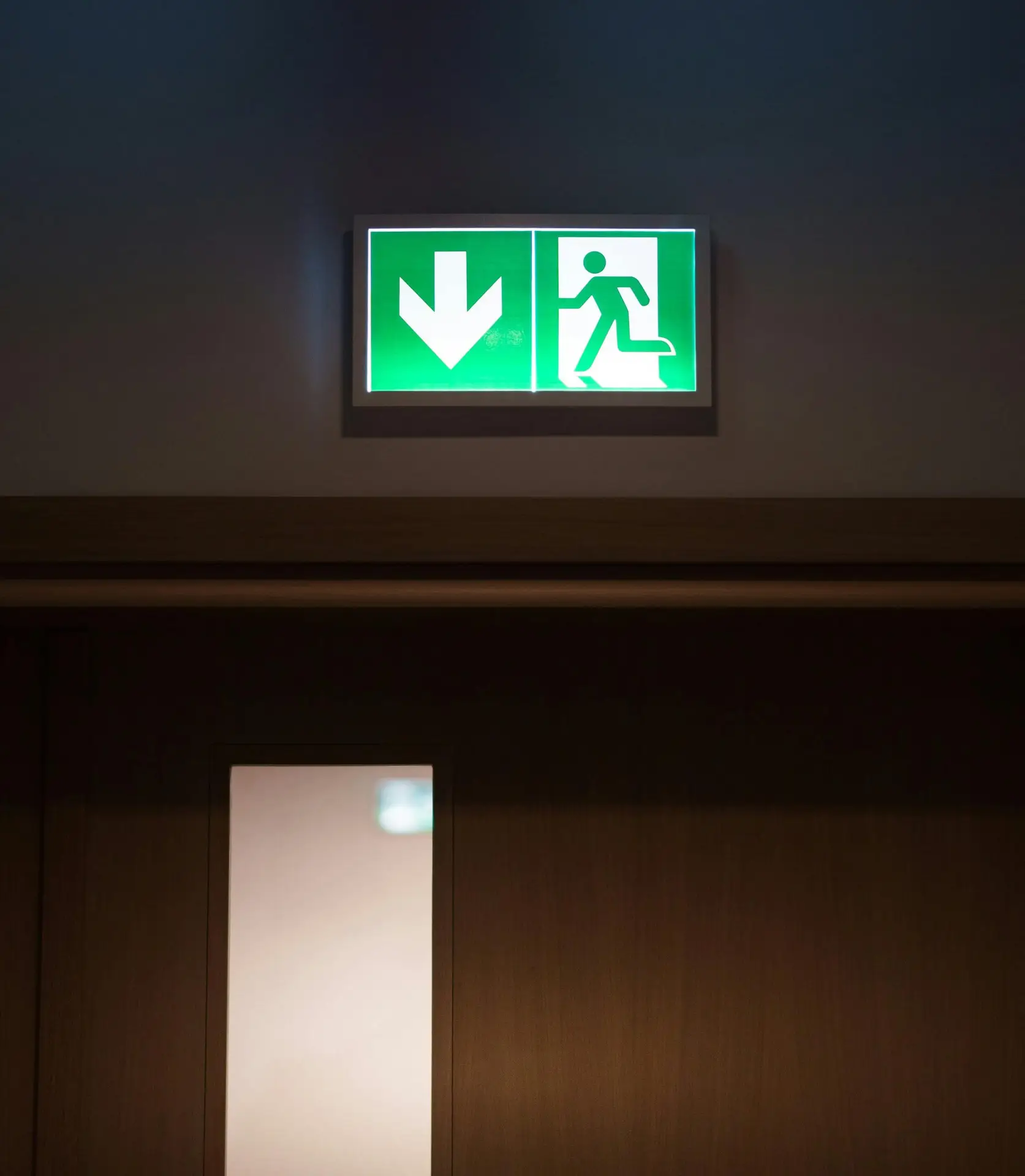
Emergency lighting is a self-contained backup lighting system that activates automatically when the mains electrical supply is interrupted. Under the Regulatory Reform (Fire Safety) Order 2005, all non-domestic premises are required to have adequate emergency lighting in place as part of their fire safety provisions.
Failure to comply can result in enforcement action from the fire authority, invalidation of your insurance, and most critically, serious risk to the safety of your staff and visitors.
Emergency lighting must be installed, maintained and tested in accordance with BS 5266-1, the British Standard that governs emergency lighting systems in the UK.
We design and install emergency lighting systems tailored to your premises, ensuring full coverage of escape routes, exit signage, stairwells, and high-risk task areas. All installations are carried out to BS 5266 and current IET Wiring Regulations (BS 7671:2018), with certification issued on completion.
Regular testing is a legal obligation. We carry out both monthly functional tests and the annual full-duration discharge test required under BS 5266, providing you with a detailed service report and compliance certificate suitable for your fire safety file, insurer, and local authority.
Faulty luminaires, failed batteries, and degraded control gear are common issues in ageing systems. Our engineers diagnose and repair faults quickly, minimising disruption and ensuring your system is fully operational.
Emergency lighting is a requirement across a wide range of commercial premises under the Regulatory Reform (Fire Safety) Order 2005.
Is your premises on this list? If your building is used by members of the public, staff, or contractors, you are almost certainly required to have a compliant emergency lighting system in place. Non-compliance can result in enforcement action, insurance refusal, and serious risk to life.
BS 5266-1 sets out the minimum requirements for the design, installation, commissioning and maintenance of emergency lighting systems. Key requirements include:
Our engineers are fully versed in BS 5266 and will ensure your system meets every aspect of the standard.
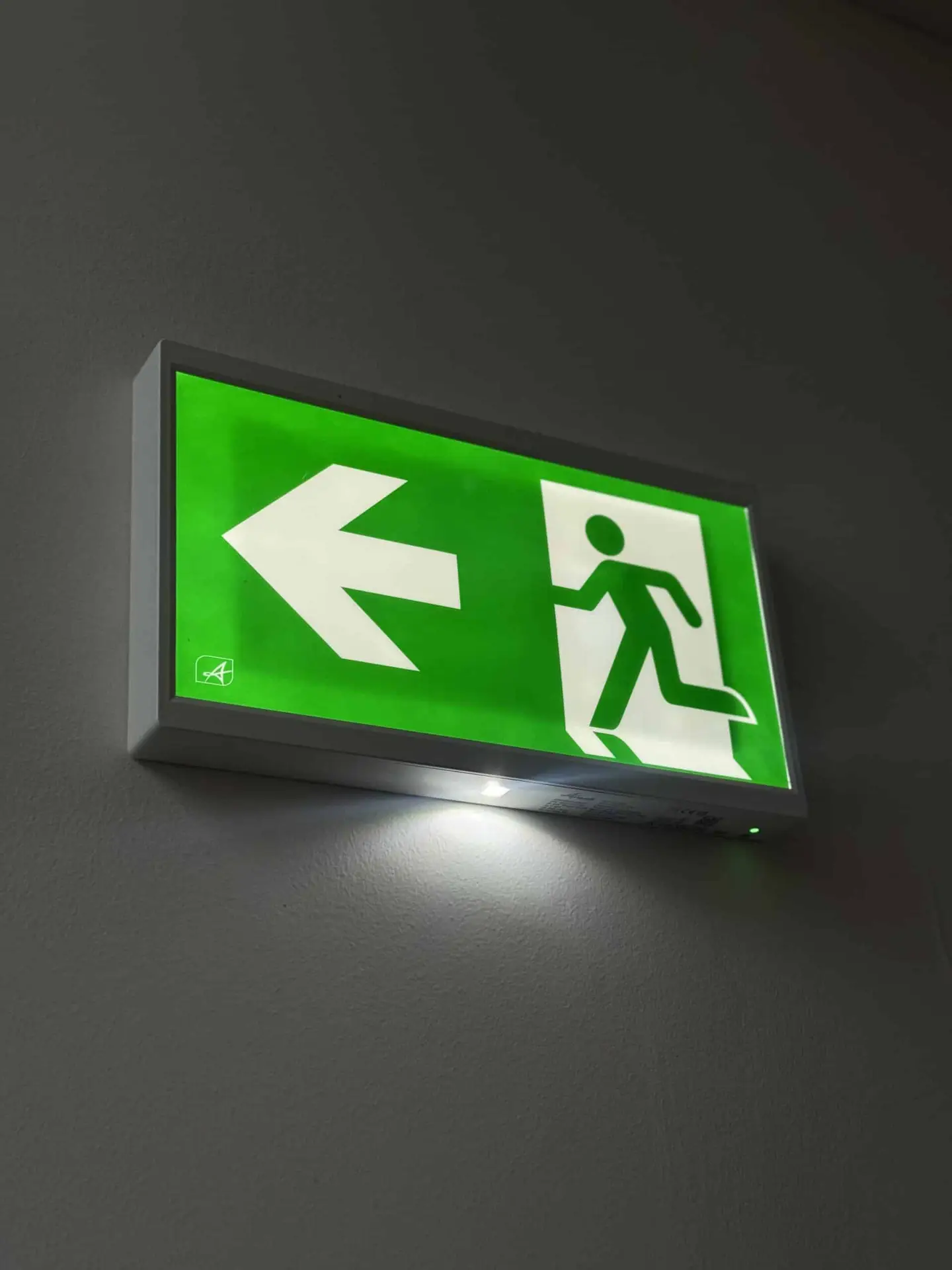
All our engineers hold relevant electrical qualifications and are experienced in commercial emergency lighting systems to BS 5266-1:2025.
With offices in London, Cambridgeshire and Kent, we provide prompt local service across all our coverage areas.
As a fire, security and electrical specialist, we align your emergency lighting compliance with your wider fire safety programme, including fire alarm testing, extinguisher servicing and fire risk assessments.
Every job comes with a detailed service report and compliance certificate, giving you everything you need for your fire safety file and insurers.
No hidden costs. We provide clear quotations before any work begins so you always know exactly what to expect.
Don't leave your compliance to chance. Contact Sygma Fire, Security & Electrical today to arrange an emergency lighting inspection, installation or service contract for your commercial premises.