BAFE, SSAIB & NICEIC AccreditedUK-Wide Coverage24/7 Support

0800 043 6728
24/7 Freephone
Get a Free SurveyBAFE, SSAIB & NICEIC Accredited·UK-Wide Coverage·24/7 Support
Fire Detection Systems are essential to your building to protect life and property, and all alarms should comply with the recommendations set out in British Standard BS5839-1 2025. The Standards recommend various system categories set out the spread of automatic detection, which impacts the speed at which a fire is likely to be detected, along with recommendations regarding suitable alarm and warning devices such as audio and visual alarms to trigger all out or phased evacuation strategies.
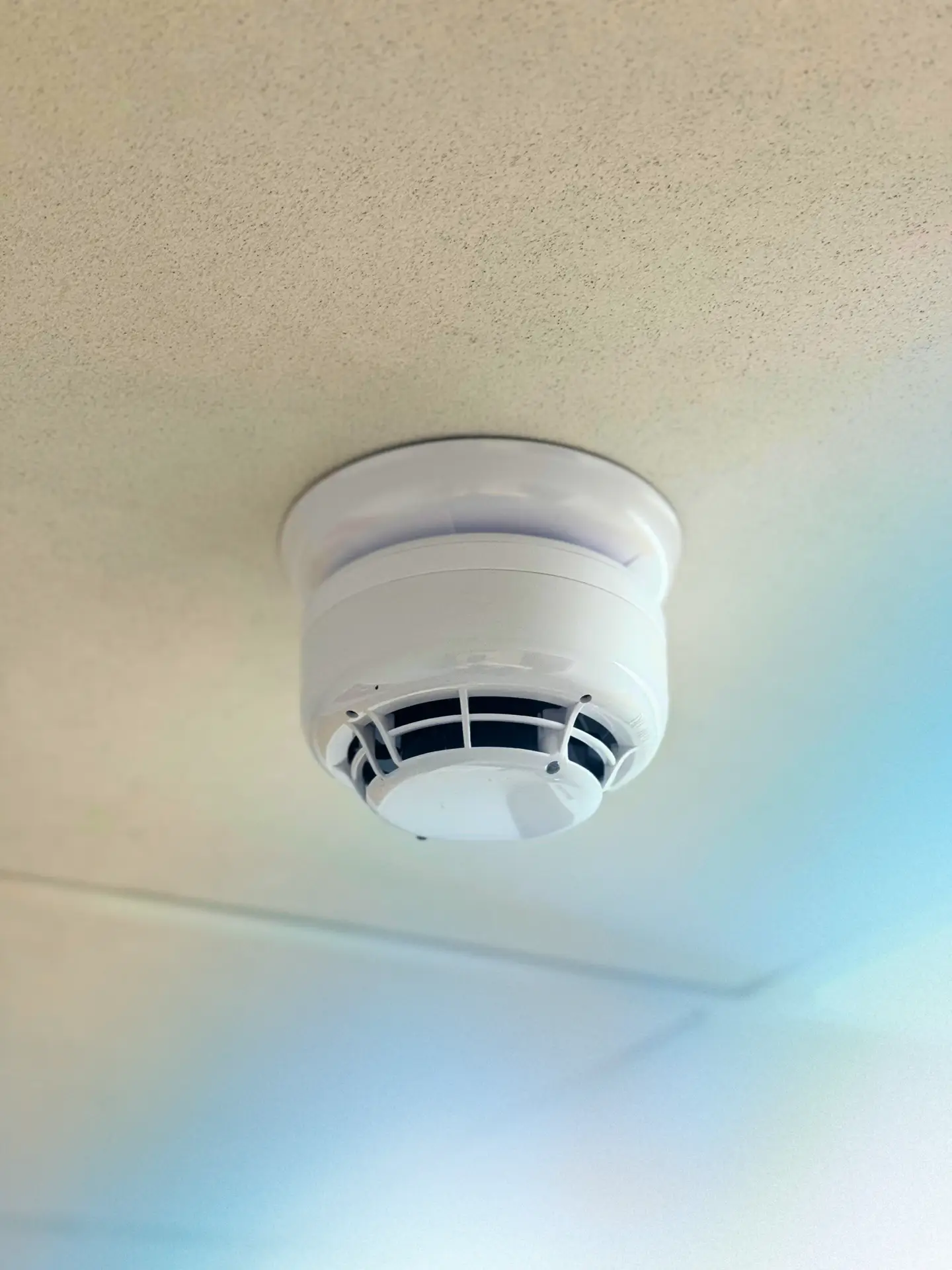
Fire Detection Systems have two methods of alerting their occupants of a fire; these are audio and visual.
Audible Alarm Systems
Audible Fire Detection Systems are the most common type of alarm. Sounds pressure levels will range from 65dB(A) to 120dB(A), depending on the activities occurring within the building and the size of the rooms. In a normal office environment, a lower level of alarm can be installed – whereas a busy factory must have a higher volume. If your premise includes sleeping accommodation, extra sounders must be fitted here to minimise sleeping risks.
Visual Fire Detection Systems
Visual Fire Detection Systems are most commonly used to alert those with impaired hearing or in areas of high volume where occupants may be wearing protective earwear. These can be used instead of, or in combination with audible alarms to ensure maximum effect. Visual alarms most commonly display red lights that are placed high to attract attention but do not impair sight.
The government recommends that both visual as stand-alone alarms and when used with audible Fire Detection Systems should comply with 54 standards.
Understanding M, L, and P system classifications
Fire Detection Systems fall under three categories: M, L, and P. Each has a different purpose and requires various levels of interaction to work.
Manually operated alarm systems with no automatic detection
M Systems are manually operated alarm systems with no automatic detection. M Systems are call points installed on corridors and fire exits that rely on the occupants of a building to discover the fire and manually activate the alarm to protect life. These systems are most suited to small uncomplicated premises where automatic detection may cause false alarming issues.
Automatic fire detection systems intended for the protection of life
The objective of an L1 system is to provide the earliest possible warning of fire in order to offer the longest available evacuation period from the building. Typically, detection will be cited in all parts of the building with only small areas such as cupboards and low risk areas such as toilets not requiring automatic detection.
L2 fire detection systems are installed to achieve the objectives set out in a category L3 system, with the added consideration of areas of a building that represent a higher level of risk of fire. Rooms considered by an L2 system might include Kitchens, boiler rooms and rooms where hot works are undertaken. Guidance should be sought from your Fire Risk Assessor if an L2 system is specified.
A category L3 system is designed to give a warning of fire at an early enough point that escape routes within building are not yet compromised. This typically means that automatic detection is cited on all escape routes, and the rooms leading directly off them.
L4 systems require automatic fire detection installed within the parts of the escape routes compromising of main circulation areas such as corridors, stairwells and routes to a final exit.
A category L5 system is used to protect areas or building needs where the location of detectors cannot be achieved using a L4-L1 system. This might be a design based on the localised need for fire detection within a building, to areas where the greatest level of risk is present. More recently, larger apartment buildings across the UK with exterior cladding installed with a demonstratable fire risk has required the installation of local detectors in the vicinity of the exterior walls only as an example of this type of system in action.
Automatic fire detection systems intended for the protection of property
P Systems' sole purpose is to protect the property or building. These systems are not to be used to prevent the loss of life. P Fire Detection Systems are automatic and follow two levels: 1 and 2.
These types of Fire Prevention Systems provide the earliest possible warnings of fire to minimise the delay between detection and the arrival of firefighters.
P2 Systems are used in areas of a building where the risk of ignition is high or, the contents of said area are valuable.
Heat detectors operate on a fixed temperature and variable temperature, with fixed temperature devices usually set to 60 or 90 degrees Celsius and variable detectors tracking the rate of rise in temperature in a room before triggering the alarm.
Ionisation alarms are extremely effective at detecting fast-burning fires. They detect smoke by the reduction it causes in current flows across the electrodes in the ionisation chamber. These types of detectors are typically used in intrinsically-safe or hazardous environments.
In an aspirating smoke detector system, air samples are drawn by a fan system through sampling points in pipework to a central detector cited in a protected area. The central detector operates on the principles of optical smoke detection, however contains dust filters and optional condensation traps making them the ideal choice for environments where point or beam detectors might experience high levels of false alarms.
Flame detectors detect the infrared and ultraviolet radiation that is emitted by flames utilising radiation sensitive cells to “see” the fire through the detection lens. These systems are ideal for dusty or outdoor environments.
Optical smoke detectors detect smoke by means of the light scatter emitted from the device. These types of alarms are the mainstay of the vast majority of detection systems and are an efficient and cost effective system. Optical smoke detectors can be supplied as a point detection device and a beam detection device which uses a light source with reflector plate to protect larger areas.
Installing a fire detection system into your premises is one of the most important decisions that will be taken. The type of system that is specified should be fully compliant with the British Standard BS 5839-1 2025, ensuring that it achieves the risk mitigation objectives that have been identified in your Fire Risk Assessment. Your Fire Risk Assesor should help you to identify the correct grade of protection, and from there, Sygma will be on hand to assist in ensuring the right detectors are used and the alarm signals provides suitable sound/visual output.
Before installing and commissioning your fire detection and alarm system, you must begin your design planning. Your design will help to identify the correct level of detection, ensuring the right detectors are used and the alarm signals provides suitable sound/visual output. The design plan will most likely be looked at by the fire alarm system installer companies, local fire services, insurance companies, and fire and risk assessors. At Sygma, our fully qualified and accredited fire detection system designers will be on hand to guide you through the process, providing options based on the best possible equipment to achieve the desired level of protection of the building.
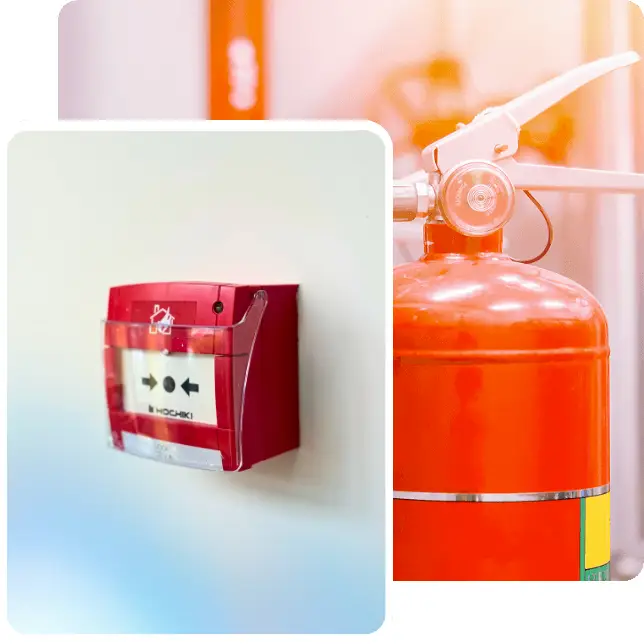
Frequently Asked Questions About Commercial Fire Detection Systems.
Reach out to our Commercial Fire Detection Systems team today.