
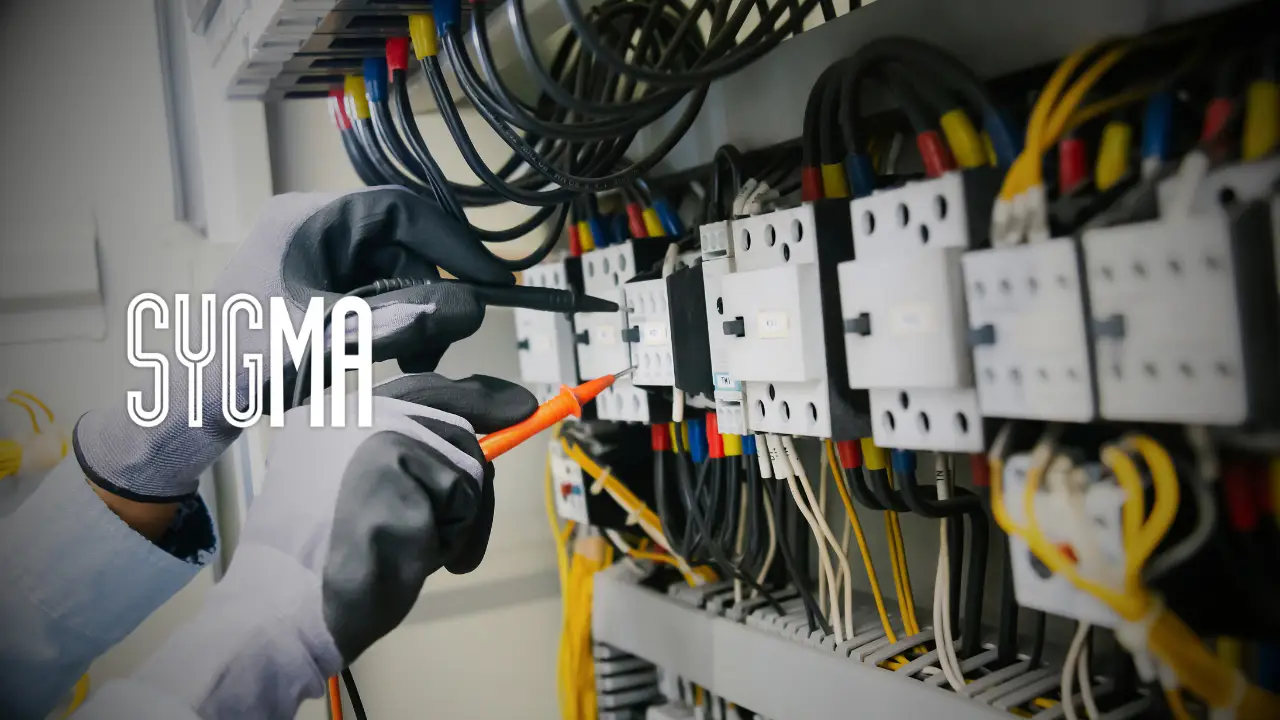
Electrical compliance is no longer just a box-ticking exercise. As we move through 2026, businesses across the UK face increasing responsibility to ensure their electrical systems are safe, compliant and fit for purpose. Failure to do so can lead to serious safety risks, legal exposure and costly disruption.
So how can you be confident your building meets today’s electrical compliance standards?
Electrical systems naturally degrade over time. Changes in building use, increased power demand and historic modifications can all introduce hidden risks.
Non-compliant electrical installations can result in:
- Increased risk of fire and electrical shock
- Business interruption due to unexpected failures
- Invalidated insurance policies
- Enforcement action from regulatory authorities
- Legal liability for duty holders and landlords
Electrical compliance is not optional; it is a legal requirement.
Under the Electricity at Work Regulations 1989, employers, landlords and duty holders must ensure that electrical systems are:
- Safe to use
- Properly maintained
- Regularly inspected and tested
This applies to all commercial environments, including offices, retail premises, industrial units, healthcare settings and multi-occupancy buildings.
An Electrical Installation Condition Report (EICR) is the primary way businesses demonstrate compliance.
An EICR:
- Assesses the condition of fixed electrical installations
- Identifies deterioration, damage or non-compliance
- Highlights safety issues using recognised coding
- Provides clear recommendations for remedial works
For most commercial premises, EICRs are recommended every 5 years, or sooner depending on the environment and usage.
During inspections, Sygma engineers frequently identify:
- Outdated or overloaded distribution boards
- Inadequate earthing and bonding
- Non-compliant alterations carried out over time
- Lack of supporting documentation or test records
- Emergency lighting and critical circuits not properly maintained
Many of these issues are not visible day-to-day but can post serious risks if left unaddressed.
Emergency lighting is a key part of your electrical and fire safety strategy. Systems must be:
- Correctly designed and installed
- Regularly tested and maintained
- Fully operations during power failure
Non-functioning or poorly maintained emergency lighting is one of the most common compliance failures identified during inspections.
Waiting for a failure or enforcement notice is rarely cost-effective. A planned, proactive approach to electrical compliance offers:
- Reduced risk to people and property
- Predictable maintenance costs
- Fewer unexpected outages
- Clear compliance records for audits and insurers
- Peace of mind for duty holders
Sygma Fire, Security & Electrical provides a complete electrical compliance service for commercial clients across the UK, including:
- Professional EICRs
- Electrical remedial works
- Emergency lighting installation and testing
- Planned preventative maintenance
- Expert advice aligned with current UK standards
Our qualified engineers work with minimal disruption and provide clear, actionable reporting to keep your business compliant and protected.
If you’re unsure when your electrical systems were last inspected, or whether they meet current standards, now is the time to act.
Contact Sygma today to arrange an electrical compliance review or EICR and ensure your building is safe, compliant and future-ready.