
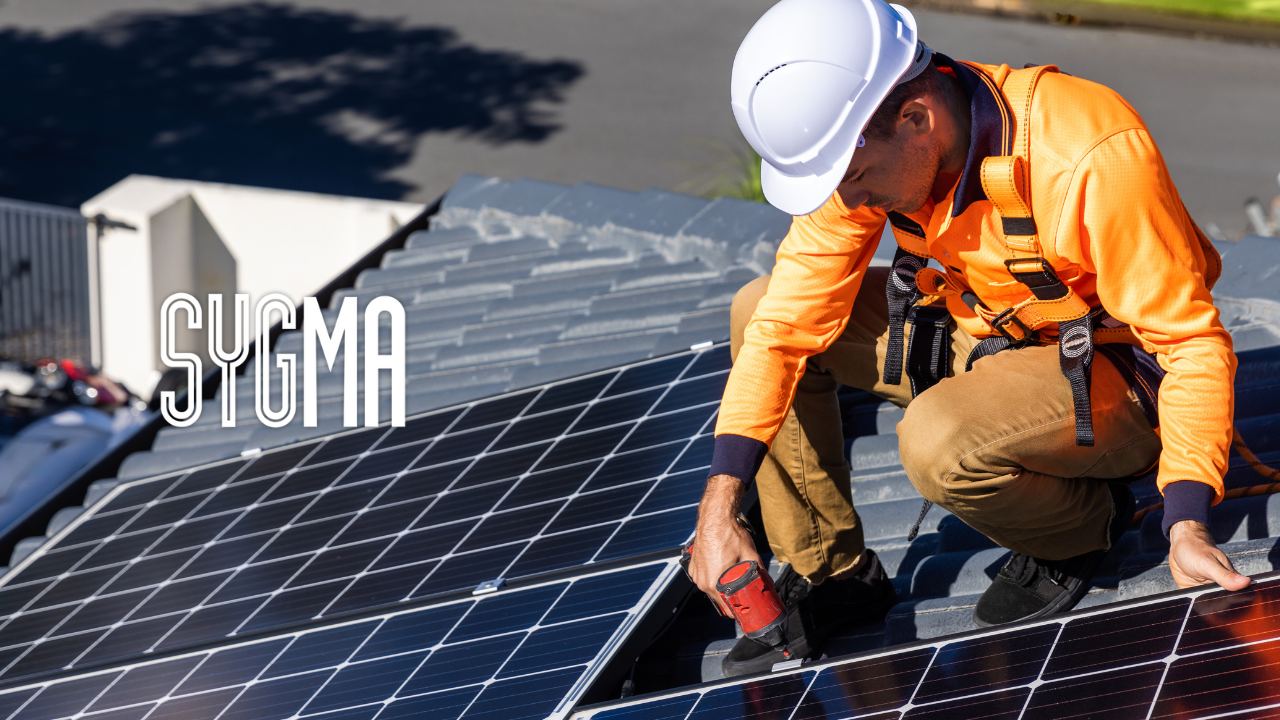
If you are looking to expand, relocate or install new machinery, it is essential to assess your power requirements accurately. Getting this wrong could impact both safety and operational costs. And with rising energy bills, many businesses are now looking at solar panels as a practical way to meet those demands more sustainably.
Why Power Demand Matters
- Avoiding under-supply: Preventing overloaded circuits, equipment failures or downtime.
- Avoiding oversupply: Preventing wasted investment in oversized infrastructure.
- Planning for growth: Making sure your premises can handle future expansion, additional equipment or EV charging points.
- Supporting sustainability: Allowing you to make informed decisions about renewable energy options like solar.
What Influences Power Requirements
Every business is unique, but typical influences include:
- Building Type & Size: Warehouses, schools, car dealerships and offices all have very different demand profiles.
- Lighting & HVAC Systems: Air conditioning and heating account for a large share of commercial electricity use.
- Equipment & Appliances: Computers, kitchen appliances, manufacturing machinery or charging stations all add to your load.
- Operating Hours: A 24/7 facility will naturally consume more power than a 9-to-5 office.
- Renewable Technologies: Solar panels or battery storage can significantly reduce your grid dependency.
Calculating Your Power Needs
A simple approach is to:
- List the wattage of your main equipment
- Add lighting and HVAC
- Apply a safety margin (20–25%) to cover spikes and future needs
For example:
- 15 PCs at 200 W each = 3 kW
- Lighting = 2 kW
- Air conditioning = 6 kW
- Other equipment = 4 kW
- Total = 15 kW (plus margin)
Larger sites may require a three-phase supply to handle heavier loads efficiently.
How Solar Panels Can Help Your Business
Once you understand your consumption, the next step is finding ways to cut energy costs. Solar systems allow commercial properties to:
- Generate free electricity on site: Reducing reliance on grid supply.
- Lower energy bills: Protecting against rising electricity costs.
- Improve sustainability credentials: Helping to meet corporate ESG goals.
- Add resilience: When paired with battery storage, solar provides backup capacity for critical systems.
For example, if your property has a peak load of 20 kW, that equates to around 20 kWh for every full hour of operation at that load. A solar array sized in line with your annual consumption can offset much of this demand.
Why Work with a Professional Installer?
Calculating requirements and designing a solar system isn’t just about adding panels to a roof. At Sygma, we provide:
- Full site surveys and energy audits
- Solar panel design tailored to your consumption patterns
- Advice on battery storage and integration with EV charging
- Ongoing maintenance and compliance support
Ready to Reduce Your Energy Costs?
Speak to the Sygma team today to arrange a free solar assessment for your commercial property.