


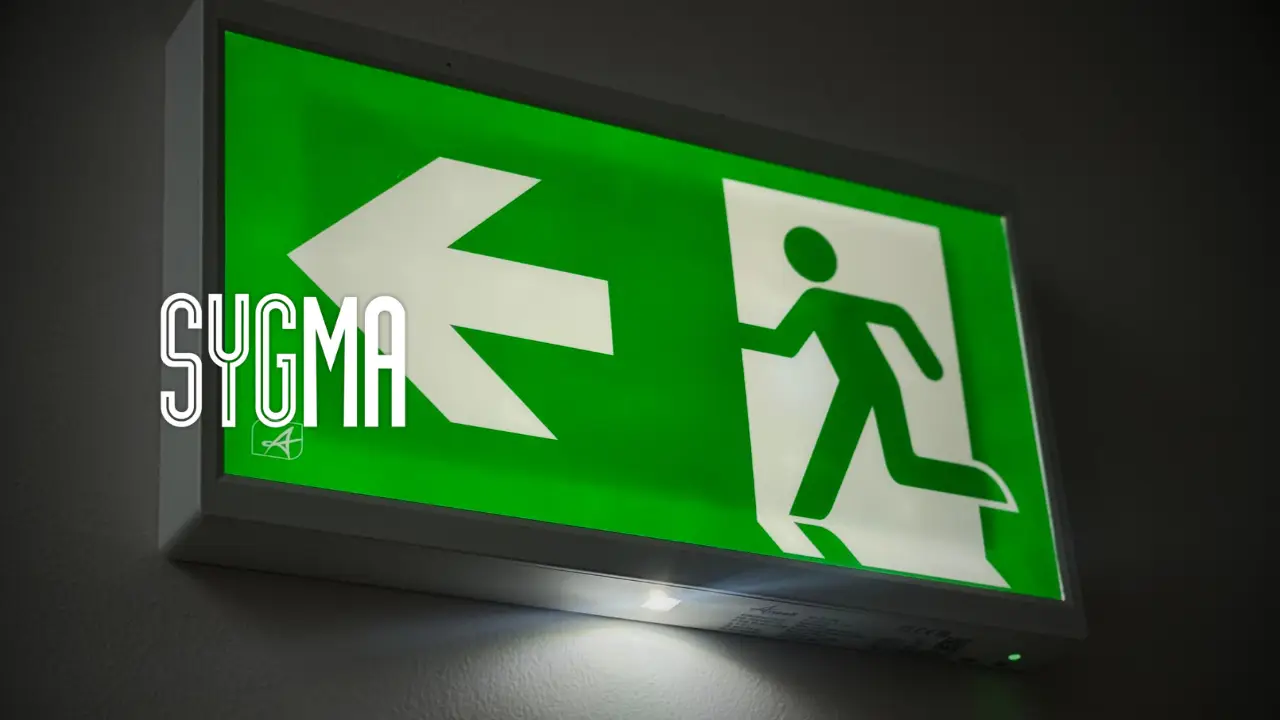
Note: BS 5266-1 was updated in 2025 with clarified illumination requirements and a new five-year photometric verification requirement. This short update explains why older systems now present additional long-term costs for many businesses.
Outdated systems affect more than energy bills. They can undermine compliance, extend downtime during failures and expose businesses to regulatory or insurance challenges.
- High Energy Consumption: Traditional fluorescent emergency luminaires use significantly more power than modern LED alternatives. Across a full site this can add thousands of pounds per year in unnecessary electrical usage, particularly where fittings operate in maintained mode.
- Frequent Lamp and Battery Failures: Older units need regular tube replacements and often contain NiCd batteries with short service lives. Failures during monthly or annual BS 5266-1 tests are common, increasing maintenance time and repair costs.
- Non-Compliance at Test and Audit Stage: Emergency lighting must complete functional, intermediate and annual duration tests as required by BS 5266-1 and the Fire Safety Order. Systems that fail the three-hour duration test can cause audit failures and weaken fire risk assessments. The 2025 update also tightened some illumination and verification requirements, which may cause additional audit scrutiny for older installations.
- Insurance Implications: Insurers expect documented compliance with BS 5266-1 and up-to-date maintenance records. Persistent test failures or outdated fittings can weaken claims after an incident, particularly where inadequate lighting impedes evacuation.
- Illumination Below Required Levels: Fluorescent fittings degrade over time, reducing lux levels on escape routes and high-risk areas. Poor visibility during an emergency creates life-safety issues and breaches minimum illuminance requirements.
- Five-year Photometric Verification: The 2025 revision introduces a photometric verification requirement every five years to confirm actual light output meets the original design. This creates an additional maintenance cost and can reveal underperforming luminaires that previously passed basic functional tests.
Modern emergency lighting technology offers measurable benefits and long-term savings.
- Lower Running Costs: LED luminaires use a fraction of the power and retain output for far longer, reducing energy bills and replacement cycles.
- Lithium Battery Technology: High-performance LiFePO4 batteries offer longer life, better reliability and faster recharge times, improving test success and system resilience.
- Self-Testing and Smart Monitoring: Automatic self-test units and cloud-monitored systems reduce engineer visits, streamline compliance reporting and provide real-time fault visibility across multiple sites.
- Improved Light Output and Coverage: LED fittings deliver consistent illumination that meets or exceeds BS 5266-1 lux requirements across escape routes, stairwells and open areas.
- Education: Schools and colleges benefit from fewer maintenance visits during term time, improved safety in corridors and assembly areas and simpler digital records.
- Automotive and Retail: Dealerships and showrooms with large footprints see meaningful cost savings and better visual clarity after LED upgrades.
- Warehousing and Logistics: High ceilings and long escape routes demand reliable illumination. Smart systems support multi-site managers and simplify audit evidence.
- Offices and Corporate Sites: Upgrades reduce operational disruption, ensure safe evacuation routes and support insurance requirements.
- Healthcare and Care Facilities: Reliable illumination is critical. Long-life batteries and self-testing reduce disturbance and operational risk.
Maintaining compliant systems under BS 5266-1 provides:
- Verified performance during power failures
- Reliable evacuation visibility
- Reduced maintenance burden
- Stronger documentation for insurers and risk assessors
- Lower lifetime operating costs through LED efficiency
Non-compliance can result in enforcement under the Fire Safety Order, increased liability and significant remedial costs during inspection.
How Sygma Delivers Compliant, Cost-Effective Upgrades
Sygma Fire, Security & Electrical provides full emergency lighting surveys, LED conversions, installation and maintenance programmes across the UK. All work is completed in accordance with BS 5266-1 and carried out by NICEIC-approved engineers with clear reporting for audits and insurers.
To arrange an emergency lighting review or assess upgrade options for your premises, contact Sygma today.
Below are clear answers to common queries from facility managers, building owners and compliance officers.
What is BS 5266-1?
BS 5266-1 is the British Standard covering the design, installation and maintenance of emergency lighting systems in non-domestic buildings. It sets testing requirements and minimum illumination levels for escape routes, open areas and high-risk locations.
How often should emergency lighting be tested?
A short functional test is required monthly, and a full three-hour duration test is required annually. Tests should be documented and carried out by a competent person.
How long should emergency lighting last during a power failure?
Most systems require a minimum duration of three hours to allow safe evacuation and to support reoccupation if mains power remains unavailable.
Do older fluorescent systems need to be upgraded?
Not automatically, but a system must meet BS 5266-1 performance levels. If fittings no longer meet duration or illumination requirements, an upgrade is recommended.
Are LED emergency lighting systems more reliable?
Yes. LED technologies provide longer lifespans, lower failure rates, better energy efficiency and improved test success when paired with modern battery technologies.
What counts as a competent person?
Someone with suitable training, knowledge and experience to maintain and test emergency lighting systems. NICEIC-approved contractors provide recognised evidence of competence.
- British Standards Institution (BSI) – BS 5266-1: Code of Practice for Emergency Lighting
- Fire Industry Association (FIA) – Emergency Lighting Technical Guidance
- ICEL (Industry Committee for Emergency Lighting) – LED and Battery Technology Briefing
- NICEIC – Emergency Lighting Certification and Competency Guidance