


19/02/2026
The Complete Fire Safety Compliance Checklist for 2026
UK fire safety legislation continues to place clear legal responsibilities on business owners, landlords and facilities managers. Yet many organisations remain unsure whether their systems, procedures and documentation are genuinely compliant.
UK fire safety legislation continues to place clear legal responsibilities on business owners, landlords and facilities managers. Yet many organisations remain unsure whether their systems, procedures and documentation are genuinely compliant.
This guide translates complex regulations into clear, practical actions you can take in 2026 to protect your people, your property and your business.
Why Fire Safety Compliance Still Matters in 2026
Fire safety failures remain one of the most common causes of enforcement action against UK businesses. Regulators expect organisations to:
- Prevent fires where reasonably possible
- Protect occupants if a fire occurs
- Maintain certified, working safety systems
- Keep accurate compliance records
Failure to meet these duties can result in:
- Prosecution and fines
- Invalidated insurance
- Business interruption
- Personal liability for directors
The Legal Framework: What Businesses Must Follow
Most commercial fire safety duties are based on the Regulatory Reform (Fire Safety) Order and supporting guidance from:
- Health and Safety Executive (HSE)
- National Fire Chiefs Council (NFCC)
Together, these bodies set expectations for risk management, system maintenance and ongoing monitoring.
In practice, this means every business must appoint a “Responsible Person” and ensure suitable fire safety measures are in place.
Your Core Responsibilities as a Business Owner or Manager
If you control premises, you are legally required to:
Carry Out a Fire Risk Assessment
A suitable and sufficient fire risk assessment must:
- Identify fire hazards
- Assess people at risk
- Evaluate existing controls
- Record findings
- Set out improvement actions
It must be reviewed regularly and updated when layouts, occupancy or operations change.
Install and Maintain Fire Detection Systems
Most commercial premises require compliant fire alarm systems.
In 2026, best practice includes:
- System design to current British Standards
- Weekly user testing
- Six-monthly professional servicing
- Accurate maintenance records
Poorly maintained alarms are one of the main causes of enforcement notices.
Provide Adequate Emergency Lighting
Emergency lighting systems ensure safe evacuation during power failure or smoke conditions.
You must ensure:
- Monthly functional checks
- Annual duration testing
- Fault repairs without delay
- Logbook completion
This area is frequently overlooked and routinely inspected.
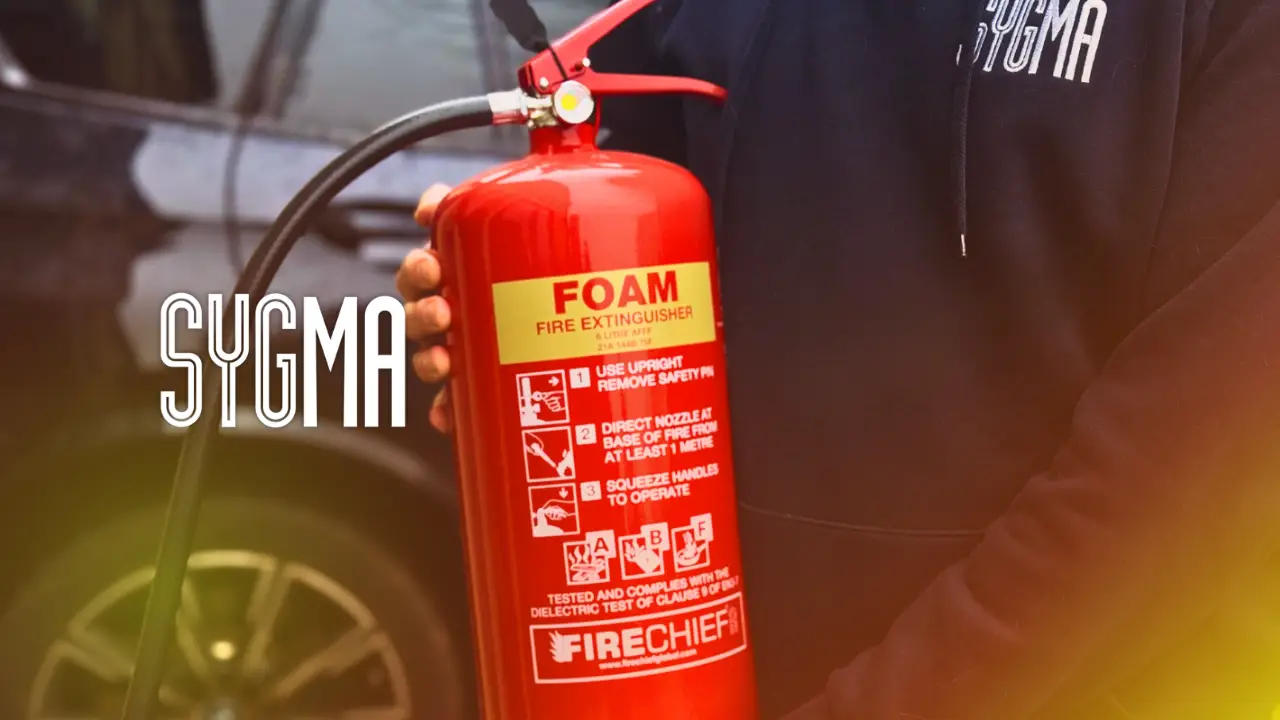
Maintain Fire-Fighting Equipment
All portable fire extinguishers must:
- Be correctly specified for risks
- Be accessible and signposted
- Receive annual servicing
- Be replaced when obsolete
Incorrect or expired equipment can increase liability during incidents.
Train Staff and Maintain Procedures
Technical systems alone are not enough.
Your business must provide:
- Induction fire safety training
- Regular refresher sessions
- Documented evacuation procedures
- Fire marshal or warden support
- Practised evacuation drills
Staff competence is a key inspection focus.
The Most Common Compliance Failures in 2026
Across inspections and audits, the same issues appear repeatedly:
- Outdated fire risk assessments
- Missing service certificates
- Incomplete logbooks
- Disabled alarm devices
- Blocked escape routes
- Poor emergency lighting coverage
These are easily preventable with proper management.
How Insurers Assess Fire Safety Compliance
Insurers now routinely review:
- Service records
- Risk assessments
- Certifications
- Maintenance contracts
Compliance directly protects your financial position.
Why Ongoing Compliance Is Better Than One-Off Fixes
Many businesses only address fire safety after problems arise.
A structured maintenance and compliance programme delivers:
- Lower long-term costs
- Reduced downtime
- Better insurance terms
- Stronger inspection outcomes
- Improved staff confidence
Proactive management is always more efficient than reactive repairs.
How Sygma Supports Fire Safety Compliance
Sygma Fire, Security & Electrical works with commercial and industrial clients across the UK to deliver end-to-end fire safety compliance.
Our services include:
- Fire risk assessments
- Fire alarm design and servicing
- Emergency lighting installation and testing
- Extinguisher supply and maintenance
- Compliance documentation management
- Ongoing support contracts
We ensure your systems meet current standards and remain compliant year-round.
Book a Compliance Review
If you are unsure whether your premises meet 2026 fire safety requirements, a professional review by Sygma is the fastest way to gain clarity.
Our engineers will audit your current systems, identify compliance gaps, provide clear recommendations, and support remedial works.
Contact Sygma Fire, Security & Electrical today to arrange your fire safety compliance assessment