
On this page
When a heatwave lands, most of the focus goes on keeping staff and customers comfortable. The electrics running the cooling fans, the portable air-con and the refrigeration rarely get a thought until something starts to smell hot or a distribution board keeps tripping mid-shift.
The first proper hot spell of the year tends to expose the same weakness across commercial premises. Portable fans and air conditioning units appear on every desk, refrigeration works harder to hold temperature, and a lot of it ends up plugged into whatever socket happens to be nearest. All of it draws power, and much of it gets loaded onto circuits that are already busy.
Heat doesn’t cause electrical faults on its own. What it does is stack extra demand onto an installation that may already be running close to its limit. In a working building, that combination doesn’t just risk a fault, it risks downtime.
Why hot weather adds to the load
Most commercial installations weren’t designed with a summer’s worth of portable cooling in mind. Air conditioning units are some of the hungriest things you can plug in, and they run for hours rather than minutes. Server and comms rooms run hotter and pull harder on their cooling. Refrigeration in retail, catering and hospitality cycles more often in a warm space. The whole building is working harder at once.
Older premises feel this most. Wiring and switchgear sized for the demands of the time can end up pushed hardest during a heatwave. The installation isn’t necessarily unsafe, but it’s operating closer to capacity, and in a commercial setting that’s worth knowing before it costs you a trading day.
The extension lead trap
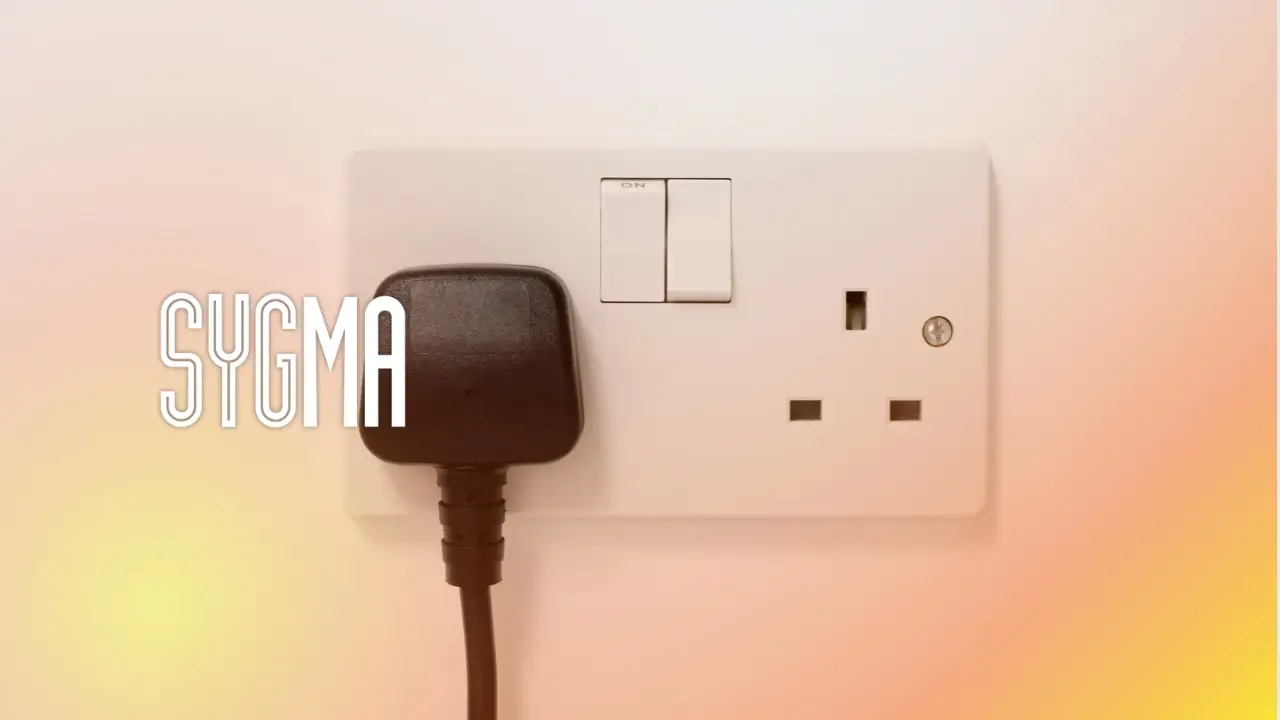
The fastest way to overload a circuit is temporary cooling plugged in wherever it’ll reach. Portable AC units running off four-way adaptors under desks, leads daisy-chained across a workshop or shop floor, high-draw kit sharing a single socket. It feels like a quick fix in a hot week, but it’s very easy to draw more current than the circuit was meant to deliver.
If staff are reaching for extension leads to get power where they need it, that usually points to a shortage of fixed sockets rather than a shortage of adaptors. More properly installed outlets is the safer and tidier answer.
Signs something isn’t right
Electrical faults rarely arrive without warning. A few things are worth acting on straight away:
- A plug, socket or extension lead that feels warm to the touch
- A smell of hot plastic or burning near an outlet or board
- Scorch marks or browning around a socket, switch or distribution board
- A breaker that keeps tripping when the same equipment comes on
- Lights that dim or flicker when heavy-draw plant kicks in
If anyone notices any of these, take the socket out of use and have it looked at. A warm connection under heavy summer load is cheap to sort early and expensive to ignore, both in repair costs and lost trading.
Where an EICR comes in
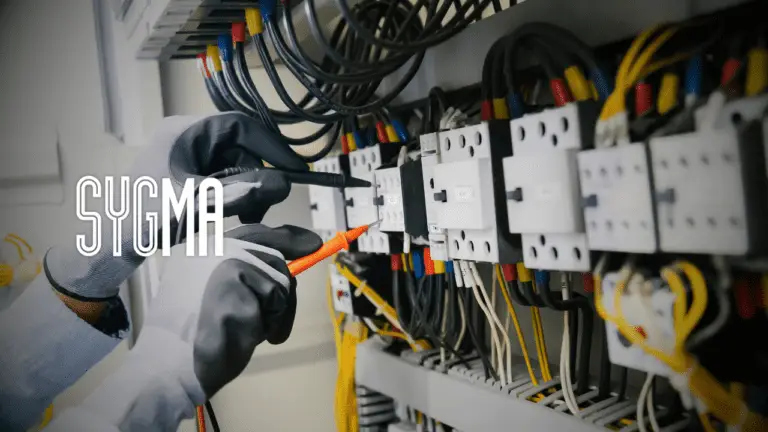
An Electrical Installation Condition Report is a full inspection of the fixed wiring on your premises by a qualified electrician. It checks the distribution boards, the circuits, the earthing and the condition of everything behind the sockets, then flags anything that’s unsafe or no longer up to standard. It’s the difference between assuming your installation is sound and having it confirmed.
Commercial premises are generally on a five-year inspection cycle, though harsher environments such as workshops, industrial units and commercial kitchens can warrant shorter intervals. Beyond the regulations, a valid EICR is part of your duty as the responsible person, and most insurers will expect to see one. If a heatwave has been exposing weak points in your installation, an inspection finds them before they become a fault, a fire risk or a forced closure.
A few things worth doing now
Spread heavy equipment across circuits rather than loading one. Keep portable AC units on dedicated outlets, not shared with other kit. Take any extension lead out of service if it feels warm, looks damaged or runs where heat can build up around it. And if staff are routinely working around a shortage of sockets, it’s worth having extra capacity installed properly rather than relying on adaptors through the summer.
Is your installation ready for summer demand?
Our qualified electricians carry out EICRs and electrical safety inspections for commercial premises across the region. If something’s running warm or your boards keep tripping, get it checked before the next hot spell costs you a day’s trading.